
Exploring Design District Dubai's Real Estate Potential
Intro
Design District Dubai stands at the intersection of creativity and urban development. As a hub that not only showcases stunning architecture but also invites innovation, this area is not just an oasis for designers and artists; it’s a blossoming market for real estate investment. With its unique blend of cultural influences and modern facilities, Design District poses significant opportunities for investors, homeowners, and real estate professionals alike. This overview aims to paint a picture of what makes this area not just a location, but a key player in the global real estate landscape.
Industry Insights
To truly grasp the potential of Design District Dubai, it's essential to look into current market trends and the economic factors at play.
Current Market Trends
Design District has experienced a notable shift in consumer preference, especially post-pandemic. Buyers are leaning towards properties that cater to lifestyle needs, and the demand for mixed-use developments continues to rise. Recent data suggests that retail spaces integrated with residential options are highly sought after, reflecting a shift towards convenience and accessibility.
Moreover, the influx of expatriates moving to Dubai has spurred a renaissance in rental options. Properties are often leased quickly, indicating a robust rental market where investors can expect reasonable returns. As UAE continues to diversify its economy, the design and creative sectors are bolstered, fueling demand for both commercial and residential spaces.
- Major future developments include:
- Luxury apartments: Urban living spaces that offer more than just a roof over one’s head.
- Art galleries and design studios: Spaces that support the local artistic community while attracting tourists.
- Innovation hubs: Facilities that cater to startups, creating a vibrant business culture.
Economic Factors Influencing Real Estate
Several economic factors play a role in shaping the real estate landscape in Design District:
- Government policies: Incentives for foreign investment, such as long-term residency visas, have encouraged capital inflow.
- Tourism growth: The ongoing expansion of tourism and cultural initiatives makes this area appealing to investors looking for sustainable rental income.
- Infrastructure improvements: Continuous enhancements in transport networks and public services solidify the area's attractiveness.
The real estate landscape in Design District is characterized by a blend of creativity and commerce, making it a focal point for those looking to invest in Dubai's dynamic market.
Investment Strategies
As interest in Design District's offerings grows, so do the strategies investors can employ to navigate this evolving environment.
Tips for First-Time Investors
Entering the market can be daunting, but a clear strategy can make the process smoother:
- Research thoroughly: Understand the local trends, neighborhood dynamics, and rental demand.
- Build connections: Network with local agents and other industry professionals to gain insights and find potential opportunities.
- Consider long-term value: Focus on properties with growth potential, rather than short-term gains.
Risk Assessment and Mitigation
Investing in real estate always comes with its risks. Here are ways to manage them effectively:
- Financial planning: Ensure you have a solid plan in place to handle unforeseen costs.
- Diversification: Don’t concentrate all resources in one type of property. Spread out investments to mitigate risk.
- Market monitoring: Keep an eye on trends and shifts in buyer behavior to adapt strategies accordingly.
In closing, the Design District of Dubai is not only a melting pot of architectural brilliance and creative spirit but also represents a promising landscape for real estate investment. By understanding the market dynamics and adapting to its evolving nature, investors can unlock the unique potential this area offers.
Preamble to Design District Dubai
Dubai's reputation as a global hub for business, tourism, and innovation isn't built on mere happenstance. A cornerstone of this narrative is the Design District (D3), a dedicated area where creativity and commerce coalesce. With its focus on art, design, and fashion, this district stands tall amidst the rapid development of the city, beckoning investors and creatives alike.
Understanding the significance of Design District Dubai is crucial for anyone considering diving into the real estate market here. This area embodies the spirit of modern Dubai, where each corner seems to tell a story of ambition and artistic breakthrough. Investors looking to capitalize on the burgeoning art and design scene will find this district replete with opportunities.
Historical Context
To grasp the essence of D3, it helps to look back. The Dubai Design District was launched in 2013 with a vision to create a thriving ecosystem for designers, artists, and innovators. Its inception aligns with Dubai's broader strategy to diversify its economy and shift towards creative industries. The aim was clear: establish a space where artistic minds could gather, share ideas, and create. This was not just about bricks and mortar; it was about laying the foundation for a cultural renaissance.
In the beginning, naysayers wondered if a dedicated design district could find its place in a city already brimming with luxury shopping and entertainment. Yet, as high-profile events like the Dubai Design Week began to converge here, it quickly became apparent that D3 was more than a passing trend. It evolved into a cultural hub that draws thousands annually, culminating in a rich tapestry of creativity that resonates not only within the city but beyond its borders.
Vision and Purpose
The vision for Design District is both robust and multi-faceted. At its core, D3 aims to foster collaboration among creative communities—from artists and designers to tech innovators and businesses. It’s designed to provide a unique platform for brands and talents to connect, nurture ideas, and experiment with their craft.
Key aspects of this vision include:
- Collaboration: D3 encourages partnerships between creatives and brands, resulting in innovative projects that push the boundaries of traditional design.
- Sustainability: Reflecting global trends, sustainability is at the forefront of the district's planning. Green initiatives are incorporated, reinforcing Dubai’s commitment to eco-friendly development.
- Cultural Leadership: By attracting both local and international talents, D3 aspires to position Dubai as a leading city of creativity on the world stage.
Architectural Landscape
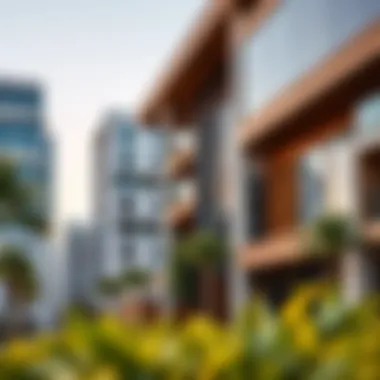
The architectural landscape of Design District Dubai is not just a feast for the eyes; it plays a pivotal role in defining the character of the area. The striking buildings, innovative designs, and thoughtful urban planning come together to create a unique environment that reflects both modernity and cultural heritage. This section will delve into the various elements that form the architectural landscape, focusing on the benefits and considerations that come with such a distinctive design ethos.

Key Architectural Features
When wandering through Design District Dubai, visitors are drawn to a variety of architectural features that stand out prominently. Here's a glimpse into the most notable characteristics:
- Sustainability Movements: Many buildings emphasize sustainable design. Architectural firms are adopting eco-friendly practices by integrating green walls, solar panels, and energy-efficient systems. This approach not only reduces carbon footprints but also adds aesthetic value, marrying beauty with functionality.
- Cultural Integration: The integration of Arab culture into modern structures is profound. Traditional motifs are reimagined in contemporary styles, allowing visitors to experience a sense of place and history. This blending is not merely decorative but imbues the space with a distinctive identity.
- Adjustable Spaces: Flexibility plays a key role in design. Spaces are often designed to adapt to various events or functions, thus increasing their utility. For instance, gallery spaces can transform for exhibitions, workshops, or performances, catering to the community's diverse needs.
- Use of Technology: Increased adoption of smart technology such as automated systems for lighting, climate control, and security can be seen throughout. These elements not only enhance livability but also align with global trends in smart city development, positioning Design District Dubai as a forward-thinking locale.
These features highlight how the architectural landscape serves broader goals, paving the way for more integrated, vibrant communities.
Impact of Modern Design Trends
The influence of modern design trends on the architectural landscape of Design District Dubai cannot be understated. As trends evolve, they bring new ideologies that shape the aesthetics and functionality of spaces.
- Minimalism and Austerity: In recent years, minimalism has gained traction. This design philosophy strips away excess, focusing instead on simplicity and clean lines. Buildings that embody this trend often exude a serene allure, encouraging calmness in an otherwise bustling environment.
- Biophilic Design: Emphasizing connection to nature, biophilic design incorporates natural elements within urban settings. Expect to see features like indoor gardens, water elements, and expansive windows that invite natural light. This trend significantly enhances residents' well-being and creates a more inviting atmosphere.
- Mixed-Use Developments: The rise of mixed-use developments has transformed how spaces are utilized. By combining residential, commercial, and recreational areas, these developments promote a sense of community and accessibility. Public squares and shared spaces foster social interaction, encouraging a vibrant street life.
"The architectural vision of Design District Dubai embodies the spirit of progress while honoring tradition, making it a unique destination for both locals and visitors."
In summary, the architectural landscape of Design District Dubai reflects a careful balance of tradition and innovation. Each building contributes to an ongoing narrative of evolution, presenting opportunities for conscious investment and sustainable living amid an ever-growing cityscape.
For more insights on architectural trends and sustainable designs, refer to resources like Wikipedia's Architectural Styles or check platforms like ArchDaily for current reflections in the field.
Real Estate Market Dynamics
The realm of real estate in Design District Dubai is pulsating with activity, standing at the intersection of innovation and opportunity. Understanding this dynamic landscape is crucial for anyone looking to invest, lease, or simply appreciate what this area offers. The market thrives on a blend of cultural sophistication and modern conveniences, making it a focal point for discerning buyers and investors alike.
Market Trends Overview
The real estate market in this district exhibits trends that are both fascinating and indicative of broader economic patterns. A few key observations stand out:
- Growing Demand for Mixed-Use Spaces: There's been a notable uptick in interest for mixed-use developments, where residential, commercial, and recreational spaces coexist. This integration provides convenience to residents while attracting business operations, creating a bustling environment that enhances property values.
- Luxury Sector Growth: High-end residential properties are witnessing robust demand. Buyers, often expatriates and wealthy locals, are drawn to the allure of bespoke living experiences, complemented by proximity to cultural hubs and leisure activities. Developers respond by curating luxurious offerings that reflect current design sensibilities.
- Technological Integration: Smart home technologies are increasingly becoming standard within Design District properties. Potential buyers appreciate added efficiencies and automated features that elevate their living standards. As more developers incorporate these technologies into their plans, they not only appeal to tech-savvy buyers but also drive up property values.
- Sustainability Conversations: As global consciousness around sustainability rises, there’s a growing market for eco-friendly developments. Properties utilizing green technologies and sustainable building practices are not just a trend but are becoming essential criteria for buyers.
Overall, these trends illustrate that the property market is not just about bricks and mortar; it’s about crafting a lifestyle.
Investment Potential
For the astute investor, Design District offers a treasure trove of opportunities. Here, the potential for return on investment is enhanced by several factors:
- Strategic Location: Being centrally located, the district acts as a launchpad for businesses and creatives alike. Whether it’s accessibility to airports or major highways, the ease of connectivity cannot be overstated. This premium location often leads to sustained demand, shielding investors from market volatility.
- Government Initiatives: Dubai's pro-business environment, along with various government initiatives supporting the real estate market, adds a layer of reliability for investors. The commitment to infrastructural growth and development signifies a positive outlook for property values over the coming years.
- Cultural Draw: With events, exhibitions, and cultural activities being the heartbeat of Design District, there's an intrinsic value tied to the area’s cultural offerings. Such attributes greatly appeal to both local and foreign investors looking for properties that promise not just returns, but also a piece of a vibrant community.
- Leasing Opportunities: For those hesitant about buying, the rental market is equally enticing. Rental demands continue to climb, owing to the influx of professionals who prefer flexible living arrangements. Investors can capitalize on this by purchasing properties to lease, knowing they are likely to benefit from a steady stream of rental income.
"Investment in Design District is not just a transaction; it’s an entry into an evolving ecosystem that thrives on creativity and collaboration."
In summary, the real estate market dynamics of Design District Dubai are characterized by robust trends and significant investment potential. Understanding these factors positions investors and buyers to navigate this thriving market with confidence.
Residential Opportunities
Residential opportunities in Design District Dubai extend beyond mere transactions; they encapsulate the essence of urban living combined with artistic influence. This location is rapidly emerging as a favored choice not just for permanent residents but for expatriates and investors alike. The variety of residential properties available here makes it noteworthy for anyone keen to invest in this vibrant district. The appeal lies not only in the aesthetics of living amid creativity but also in the long-term prospects that this area offers.
Types of Residential Properties
The types of residential properties in Design District Dubai are as diverse as the community that inhabits it. Here, one can find:
- Condominiums and Apartments: These are part of modern buildings, often equipped with state-of-the-art facilities—swimming pools, gyms, and communal spaces. They cater to young professionals and small families seeking a cosmopolitan lifestyle.
- Townhouses: For those desiring a bit more space and a sense of community, townhouses provide a middle ground. They generally come with their own private gardens or patios, perfect for families or individuals looking for peace amidst the urban buzz.
- Villas: Larger living spaces that often exude luxury and comfort. They are typically sought after by those who want more room or have already established families. Locations within the district provide serene surroundings, a perfect retreat after a busy day.
Each property type serves a different demographic, ensuring that there is something for everyone.
Buying vs. Rental Market
The buying versus rental market dynamics in Design District are essential considerations for potential investors and residents.
When it comes to buying property, investors often find that the value appreciation in this area can be substantial, especially given the ongoing development projects and increased interest from both local and international markets. Owning a home here is seen as a long-term investment, likely to yield returns as the area continues to thrive.
On the flip side, for those who may not be ready to take the plunge into property ownership, the rental market here is equally compelling. The demand for rental properties remains high due to the influx of expatriates who prefer flexibility over long-term commitments. Monthly rent prices can vary significantly depending on property type and location within the district, yet they remain competitive compared to other areas in Dubai.
"Design District's expanding popularity makes it the go-to area for those who want to embrace modern living without the hassle of long-term investment, keeping options open for the future."
In summary, whether considering buying or renting within Design District Dubai, understanding the nuances of both markets can greatly affect one’s decision. Each option offers its own set of advantages, tailored to the needs and circumstances of potential buyers or renters.
Commercial Ventures
Understanding commercial ventures within Design District Dubai is crucial for investors and businesses alike. This area has become increasingly relevant, not just as a place for creativity and innovation but also as a hotspot for business. The unique blend of local culture and international sophistication fosters an environment ripe for entrepreneurial success and unique shopping experiences.

Retail Environments in Design District
The retail landscape in Design District is something to behold. As one strolls down the streets, one can witness a diverse amalgamation of boutiques, flagship stores, and pop-up shops that cater to a myriad of tastes. Brands such as Maje and IRO stand side-by-side with innovative local designers, creating a vibrant shopping avenue that appeals to residents, expats, and tourists alike.
- Dynamic Storefronts: The design of these retail environments is just as striking as the products they sell. Stores often host exhibitions that showcase the works of local artists, making shopping an immersive experience.
- Alfresco Dining: Many retail spaces incorporate outdoor dining areas. These cafes and restaurants provide patrons a chance to unwind while soaking in the vibrant atmosphere, thereby enhancing the overall shopping experience.
- Special Events: Regular thematic events, such as seasonal markets or fashion showcases, further draw visitors, keeping the retail space energetic and engaging.
The combination of uniqueness and accessibility makes retail in Design District a critical factor for investment and growth. The thriving commercial activity attracts foot traffic, which directly impacts property values and retail success.
Office Spaces and Co-working Trends
As the work culture evolves, so does the need for innovative office spaces. Design District embraces this shift by offering a variety of work environments that meet the demands of modern professionals.
- Flexible Workspaces: Co-working spaces such as Nest, provide not just desks but an entire community. Flexibility is the name of the game, allowing startups and independent professionals to flourish without the burdens of conventional office leases.
- Networking Opportunities: These co-working environments are havens for networking. Since many creatives and entrepreneurs operate within the same space, collaboration is almost a given, leading to unexpected partnerships.
- Inspiring Atmosphere: Surrounded by art and design, the office spaces are designed to inspire. The aesthetic appeal and creative vibe encourage productivity and innovation among employees.
The rise in demand for such office spaces denotes a shift towards a more communal and collaborative working culture in Dubai. As people and businesses flock to Design District, understanding this trend becomes essential for stakeholders looking to make informed decisions in the market.
"The Design District isn’t just a space; it’s a movement creating the backdrop for the future of commerce and creativity."
Ultimately, the commercial aspects of Design District Dubai — including its distinct retail environments and evolving office spaces — offer a promising landscape for investment. Investors, business owners, and entrepreneurs should seize the opportunity to be part of this vibrant community.
Cultural Significance
The cultural significance of Design District Dubai cannot be overstated. It plays a pivotal role in shaping the identity of Dubai as a global hub for creativity and innovation. Here, art isn't just part of the landscape; it is the lifeblood that pulses through every corner. This area goes beyond being a mere collection of buildings; it is a manifestation of vision and imagination, attracting artists, designers, and creatives from around the world.
One of the defining features of the Design District is its commitment to fostering a community that celebrates artistic expression. The streets themselves are an open canvas, displaying dynamic murals, sculptures, and installations that reflect various cultures and philosophies. This mixed bag of creativity encourages interaction among residents and visitors alike, making art more accessible and relatable.
Moreover, the presence of renowned galleries and unique shops adds depth to the cultural fabric. Art Dubai, for instance, takes place annually, showcasing not just local talent but also international artists and emerging creatives. The event brings together collectors and enthusiasts, emphasizing the district’s role as a vibrant cultural crossroads.
"A city’s true soul is often mirrored in its art and design, and Design District Dubai epitomizes this philosophy."
Role of Art and Design
Architecture here is specifically crafted to reflect the innovative spirit that the city seeks to promote. Buildings are designed to be functional yet striking, often incorporating eco-friendly materials and cutting-edge technologies that reflect sustainability trends. Spaces are not just places to work or live; they are versatile environments that encourage collaboration and creativity.
Some notable aspects of how art and design play a role within the district include:
- Collaboration Spaces: Many buildings include common areas where artists can gather, share ideas, and collaborate on projects.
- Inclusion of Nature: Green spaces, public parks, and gardens are seamlessly integrated into the design, promoting a healthy lifestyle and community engagement.
- Innovation Hubs: Institutions focused on education and innovation are part of this landscape, providing courses and workshops aimed at fostering new talent.
The art scene in Design District goes beyond aesthetics; it serves as a catalyst for dialogue and exchange. From fashion shows to gallery openings, every event is an opportunity to broaden horizons and create connections between various cultural contexts.
Events and Exhibitions
Events are the lifeblood of the cultural scene in Design District. The year-round calendar is packed with exhibitions that range from fashion showcases to art fairs, each specifically curated to engage a wide audience. These gatherings empower local artists and provide them visibility on an international stage.
Annual highlights include the Dubai Design Week and various art fairs that significantly boost foot traffic and interest in the area. Such events create a bustling atmosphere, inviting not just art aficionados but also families, tourists, and professionals looking to network.
The emphasis on diverse programming means there's constantly something happening, which deeply enriches the local culture. For instance:
- Workshops and Masterclasses: Regularly scheduled workshops give both amateurs and seasoned artists the chance to learn new techniques, often hosted by well-known figures in the art community.
- Public Installations: Permanent and temporary installations dot the district, sparking curiosity and dialogue among viewers.
- Collaborations with Schools: Programs that involve students from local schools inspire young minds and engage them in the world of art and design from an early age.
Ultimately, the events and exhibitions not only showcase talent but also secure Design District's place as a key player in the global cultural landscape. They reflect the dynamic spirit of Dubai, promoting a sense of community that is welcoming to all, while still maintaining the city’s high standards of creativity and innovation.
Accessibility and Infrastructure
Accessibility and infrastructure play a crucial role in shaping the vibrancy of any urban area, and Design District Dubai is no exception. As a hub that attracts both businesses and creative professionals, the ease of movement and the quality of infrastructure significantly influence the desirability of the district. Well-planned transport systems and reliable public amenities can enhance the experience of living and working in such a dynamic environment.
Transportation Links
Design District Dubai boasts a number of robust transportation links that make getting around a breeze. Major roads like Sheikh Zayed Road and Al Khail Road provide easy access from surrounding areas, ensuring smooth traffic flow, particularly during peak hours. For those who prefer public transport, the Dubai Metro is a game changer. The nearest station, Business Bay, is just a short ride away and connects passengers to important locations across the city.
Moreover, ride-hailing services operate in abundance, allowing quick access to various destinations within the district and beyond. With cycle tracks and pedestrian-friendly walkways, residents and visitors can also enjoy the area’s vibrant streets while avoiding the stress of driving. This multi-faceted transportation network not only facilitates ease of commuting but also encourages an eco-friendly lifestyle.
Impact on Property Values
Good accessibility directly correlates to higher property values in urban settings. In Design District Dubai, the effective transport links and supportive infrastructure have a noticeable impact on market attractiveness. Properties located near transport hubs tend to appreciate more than those positioned further away from main transportation routes.
Investors looking at the real estate landscape should take notice of how proximity to transport nodes influences demand. As connectivity improves, property values likely experience an upward tick. Additionally, with ongoing developments in transportation—including future expansions of the metro network—one can reasonably predict an enhancement in property prices as the area becomes more accessible over time.


"Successful urban areas are those that don't just grow static structures, but instead cultivate vibrant networks for transportation and accessibility."
Investors, buyers, and agents should thus prioritize these factors when assessing opportunities in Design District Dubai. As ease of access continues to evolve, the district remains a favorable locale for investment, setting the stage for potential growth fueled by robust infrastructure.
Sustainability Initiatives
Sustainability has become a cornerstone of urban development, particularly in cosmopolitan hubs like Design District Dubai. As the area evolves, its commitment to green practices is not merely an accessory; it's integral to its identity. The emphasis on sustainability isn't just about compliance with regulations or appealing to eco-conscious investors. It fundamentally influences property values, enhances the quality of life for residents, and promotes a thriving, resilient community.
Green Building Practices
In Design District, the approach to green building practices showcases a dedication to reducing the environmental footprint. Many developments incorporate energy-efficient systems, such as solar panels and smart technologies that monitor resource consumption. For instance, The Block, a prominent structure in the district, has adopted passive design principles which optimize natural light and airflow. This not only decreases energy consumption but also creates a healthier living and working environment.
The advantages of these practices stretch beyond the immediate benefits of sustainability; they cater to a more significant shift in the market. Consumers are increasingly gravitating towards properties that promise lower utility bills and environmentally friendly amenities.
Prospective buyers may lash onto such benefits as:
- Lower operational costs due to energy efficiency
- Enhanced marketability of properties built with sustainable practices in mind
- Increased longevity of buildings through the use of durable materials
These green building practices are reshaping the commercial and residential landscape, making properties more appealing and promoting higher resale values.
Community Engagement and Eco-Consciousness
One cannot discuss sustainability without addressing community engagement. In Design District, local initiatives encourage active participation in ecological preservation efforts. Events like tree planting days or workshops on waste reduction draw in residents and businesses alike, fostering a communal spirit centered around sustainability.
These activities not only instill a sense of responsibility but also heighten awareness about environmental issues. A clear example includes the 'Design District Cleanup Day', where residents work together to clean up public spaces, reinforcing the critical connection between the community and its environment.
In addition to fostering community spirit, these initiatives produce tangible benefits:
- Encouraging local cooperation leads to a stronger, more resilient community
- Enhances public spaces, making them more inviting and enjoyable
- Raises awareness for eco-friendly lifestyles, which can influence individual buying decisions and behaviors
Ultimately, the marriage of sustainability with community engagement is paramount. It cultivates an eco-conscious mindset, making it part of the district's culture rather than a mere checklist item.
“Sustainability is not merely a trend; it's a necessity shaping the future of urban life.”
In summary, the Sustainability Initiatives in Design District Dubai not only enhance property value but also create a vibrant lifestyle that prioritizes the future of its residents and the environment.
Future Prospects
Examining the future prospects of Design District Dubai reveals a landscape ripe with opportunity and transformations. As Dubai continues to rise as a global city, the Design District is expected to play a pivotal role in shaping both its cultural and economical narratives. Investors, property buyers, and industry professionals should be keenly aware of the ongoing developments and trends that will influence this vibrant area. Understanding these dynamics not only aids in making informed decisions but also showcases the broader implications of investing in a rapidly evolving market.
Planned Developments
The anticipated growth of Design District Dubai is marked by a series of ambitious planned developments. These ventures aim to augment the area's infrastructure and further its appeal as a top-tier destination. Key developments include:
- Cultural Institutions: New museums and galleries are set to open, which will elevate the cultural profile of the district. A commitment to arts and design can attract both tourists and residents alike.
- Mixed-Use Spaces: Projects combining residential, commercial, and recreational spaces are in the pipeline. These hubs aim to create holistic environments that meet the diverse needs of the community while boosting foot traffic to local businesses.
- Smart City Elements: The integration of technology into urban living is prevalent in planned developments. This includes smart lighting, energy-efficient buildings, and sustainable waste management systems that aim to lower the environmental footprint of the district while enhancing convenience for residents.
"Planning for sustainability isn't just about building green; it's about fostering community and connectivity."
Predictions for Market Evolution
As Dubai's economy continues to pivot and mature, the Design District's market is likely to experience significant shifts. Several predictions emerge when assessing the future trajectory, including:
- Steady Appreciation: Experts anticipate that property values will rise steadily as demand exceeds supply in this burgeoning area. As more investors look to capitalize on the aesthetic and cultural richness of the district, prices may reflective that enthusiasm.
- Diversification of Offerings: With increasing competition among real estate properties, new types of residences are expected. Developers might experiment with innovative housing options that cater to diverse demographics including expatriates, young professionals, and artists.
- Increased Investment in Startups: As the Design District leans into its identity as a design and creative hub, venture capital and incubators may flourish in the area. This influx can lead to a vibrant startup ecosystem that aligns well with the district’s creative ethos, potentially attracting a cadre of skilled professionals looking for workspace and community.
Ending
The conclusion of this article brings to light the multifaceted significance of Design District Dubai. This dynamic enclave is not merely a collection of trendy buildings; it's a living, breathing canvas showcasing innovation, commerce, and culture.
Summary of Key Insights
Throughout the exploration, several pivotal points have surfaced:
- Architectural Innovation: The design philosophy in Design District draws from a blend of traditional Emirati elements and modern architectural practices. This results in striking visuals that attract attention from architects and designers worldwide.
- Real Estate Viability: The district presents a robust real estate market. Given the increasing interest from international investors, it's positioned as a potentially lucrative area for both residential and commercial investments.
- Cultural Hub: The area's commitment to arts and culture enhances its appeal. Events, galleries, and exhibitions foster a vibrant community of creatives and art enthusiasts, making the district a hotspot for cultural activity.
- Accessibility: An evolving infrastructure ensures that the district is easily accessible, thus enhancing its attractiveness for both property investors and potential residents alike.
- Sustainability Emphasis: With various green initiatives underway, the area is not just thinking about profits but also the environment, signaling a progressive approach in development practices.
Final Thoughts on Investing in Design District
Investing in Design District Dubai warrants careful consideration. Here are a few thoughts to ponder:
- Market Timing: As development continues, timing your investment can significantly impact return potential. Early investors often see higher rewards.
- Diversification Opportunities: The range of properties available is diverse. From luxury apartments to office spaces, there are various opportunities that cater to different segments of the investment market.
- Cultural Return: Not only does investing yield financial returns, but it also contributes to a growing cultural scene. Being part of the evolution of a city is an investment in lifestyle and community.
- Collaboration with Experts: Engaging with local real estate experts can provide insights that are often overlooked by outsiders. Their knowledge of market trends and local quirks can inform better investment decisions.
"Investing is not just about numbers; it’s about being in the right place at the right time, combined with the right knowledge."
For further reading on Dubai's real estate market, check out Wikipedia or Britannica.
The foundations laid by the Design District's vision hint at a bright future that investors shouldn’t ignore.